Understanding The 10-Year Treasury Yield And Its Implications For The Economy
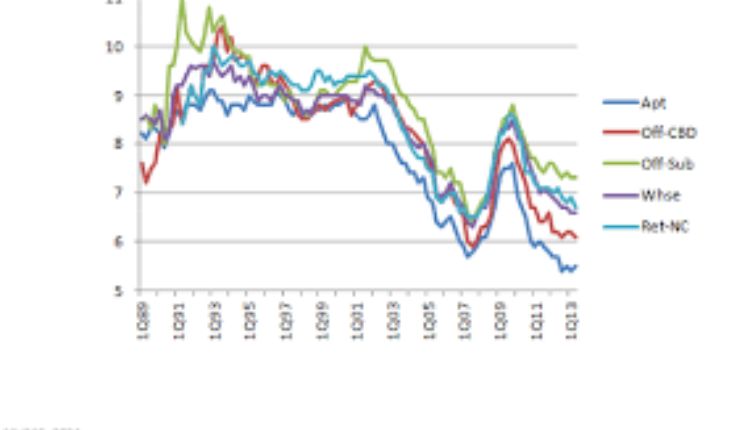
The 10-year Treasury yield is a crucial financial metric that has significant implications for the economy. It is the interest rate that the United States government pays on its 10-year Treasury bonds, and it is widely used as a benchmark for other interest rates, such as mortgage rates and corporate bond yields. In this article, we will explore what the 10-year Treasury yield is, how it is calculated, and why it matters to investors, policymakers, and the broader economy.
What is the 10-Year Treasury Yield?
The 10-year Treasury yield is the interest rate that the U.S. government pays to borrow money for 10 years by issuing Treasury bonds. When investors buy these bonds, they lend money to the government and receive regular interest payments for the duration of the bond. At the end of the bond’s term, the government repays the full principal amount to the investor. The 10-year Treasury yield represents the return that investors receive on their investment, expressed as a percentage of the bond’s face value.
How is the 10-Year Treasury Yield Calculated?
The 10-year Treasury yield is determined by the market demand for Treasury bonds. When investors are willing to buy Treasury bonds, they drive up the price of the bond, which in turn reduces the yield. Conversely, when investors are reluctant to buy Treasury bonds, the price of the bond falls, and the yield increases. Therefore, the yield reflects the current market sentiment on the creditworthiness of the U.S. government, inflation expectations, and the overall economic outlook.
Why is the 10-Year Treasury Yield Important?
The 10-year Treasury yield is an essential benchmark for the financial markets and the broader economy. Here are some reasons why it matters:
- Mortgage Rates: The 10-year Treasury yield is a key driver of mortgage rates, which affect millions of homeowners and homebuyers. Banks and lenders use the 10-year Treasury yield as a baseline to determine the interest rates they charge on home loans. When the 10-year Treasury yield rises, mortgage rates tend to increase, which can make it more challenging for people to afford homes. Conversely, when the yield falls, mortgage rates may decline, which can make homeownership more accessible.
- Corporate Bond Yields: The 10-year Treasury yield also influences corporate bond yields, which determine the interest rates that companies pay on their debt. When the 10-year Treasury yield rises, corporate bond yields typically follow suit, as investors demand higher returns to compensate for the higher risk. Conversely, when the yield falls, companies may be able to issue bonds at lower rates, which can reduce their borrowing costs and improve their profitability.
- Stock Market: The 10-year Treasury yield can impact the stock market, as higher yields may attract investors away from stocks and into bonds, which can lead to lower stock prices. Additionally, the yield can reflect investors’ expectations for economic growth and inflation, which can affect corporate earnings and investor sentiment.
- Inflation: The 10-year Treasury yield is also closely watched as a gauge of inflation expectations. When investors expect higher inflation, they demand higher yields to compensate for the loss of purchasing power. Conversely, when inflation expectations are low, the yield may fall as investors accept lower returns.
Conclusion:
In conclusion, the 10-year Treasury yield is a critical financial metric that reflects the market’s perception of the U.S. government’s creditworthiness, inflation expectations, and economic outlook. It is used as a benchmark for mortgage rates, corporate bond yields, and stock prices, and it can signal investors’ expectations for inflation. As such, investors, policymakers, and the broader public should pay attention to the 10-year Treasury yield to understand the current