India: The Modi Question
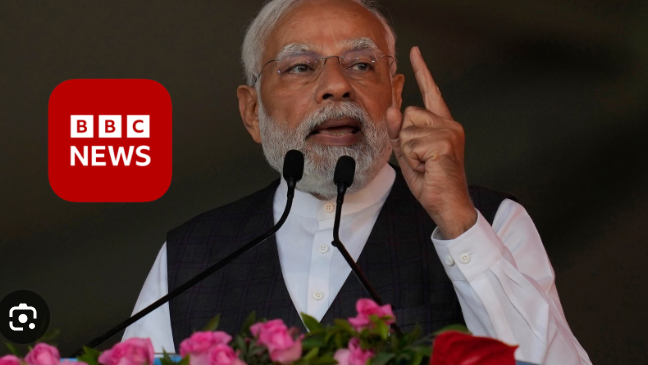
The two-part documentary “India: The Modi Question” aired on the BBC on January 17 and examines Prime Minister Narendra Modi’s role in the 2002 Gujarat riots. It draws on a confidential UK government report.
The documentary has riled Modi’s government. They blocked its release in India and forced social media platforms like Twitter and YouTube to block clips using emergency laws. However, enterprising Indians can still access the documentary via piracy and peer-to-peer sharing.
What Is The Documentary About?
India’s government has been attempting to block the bbc documentary on modi from broadcasting a two-part documentary series critical of Prime Minister Narendra Modi. The documentary, titled India: The Modi Question, examines the role Modi played in anti-Muslim violence during his time as Chief Minister of the western state of Gujarat in 2002. It has angered Modi’s Hindu nationalist party and prompted it to try to ban the film from being seen in the country. This is a violation of free speech, and the BBC has vowed to fight back against this attempt at censorship.
India: The Modi Question is based on interviews with victims of the violence and experts. It follows Modi’s leadership during the riots, which started after a train carrying Hindu pilgrims was attacked by Muslims and dozens of people were killed. The documentary accuses Modi of failing to prevent the riots or take action against those responsible. However, Modi has denied any involvement in the riots and a special investigation commission found that he was not responsible for the deaths.
The documentary has been accused of bias and a lack of objectivity. The Indian government has also criticized the BBC for airing the documentary, saying it shows a “continuing colonial mindset”. The BBC has responded by defending the documentary, saying that it was “rigorously researched” and that they had offered the Indian government a chance to respond to the questions raised in the film, but they declined.
This week, students at one of India’s top universities were prevented from watching the documentary. The Jawaharlal Nehru University administration locked the entry gates and cut off electricity for the students who had gathered at the campus to watch it in defiance of a directive from the government. The students were ultimately detained by police and charged with illegally holding a screening of the film.
The BBC has also been sued in a defamation case brought by a Hindu nationalist group called Justice on Trial, which claims that the documentary is biased and has defamed the government of India. The court has ordered the BBC to provide proof that it was unbiased in its reporting, and will hold a hearing on the matter in September.
Why Is The Documentary Controversial?
The Indian government has condemned a BBC documentary that questions Prime Minister Narendra Modi’s leadership during deadly communal riots in 2002, when he was chief minister of the state of Gujarat. The two-part series, India: The Modi Question, obtained access to a confidential UK government report from the time that described the violence as having “all the hallmarks of ethnic cleansing.” Modi has denied any involvement in the riots and was cleared by a special investigation team and the supreme court of India of complicity in the violence.
The BBC has defended the documentary, saying that it is based on “rigorously researched and independently verified evidence” that includes documents from both Indian and foreign governments. In addition, the BBC says that it followed proper procedures in requesting that illegal uploads of the documentary be removed from YouTube. But it hasn’t stopped enterprising Indians from getting their hands on the documentary by using VPNs and trading flash drives.
This has pushed the Modi government into an overtly defensive position. It’s not used to criticism from international sources, especially ones that come with a lot of credibility. And it’s even more difficult to take because the documentary comes after years of local journalism on the riots by Indian publications that the government thought had put the issue to rest.
A number of prominent British politicians have also weighed in on the controversy. Conservative MP Bob Blackman called the documentary a “hatchet job,” while Labour Party peer Rami Ranger wrote to the head of the BBC to ask why its Pakistani-origin staff was involved in the film.
The controversy is a reminder of the complex relationship between Modi and India’s Muslim population. His government has been accused of bias toward Muslims, including support for violent attacks on them and suppression of civil society groups and journalists by using politically motivated charges. This has led to calls for meaningful discussion of these concerns during his upcoming state visit to the White House, hosted by US President Joe Biden. The Human Rights Watch and Amnesty International screening of the documentary on June 20 could help further this effort.
What New Material Has The Documentary Uncovered?
While many of the allegations raised in the documentary are familiar to those who have been following Indian politics, it serves as a reminder for international audiences that India’s government has a long history of attacking journalists and pursuing human rights abuses. The documentary also offers some of the first close scrutiny of Modi’s tenure as chief minister of Gujarat, where he was accused of turning a blind eye to violence against Muslims.
The two-part documentary, India: The Modi Question, aired in the UK in January and was met with an angry reaction from the Indian government. It was banned from being shown in India and social media companies blocked sharing of clips. The government claimed the programme was “hostile propaganda and anti-India garbage” with a “colonial mindset”.
Weeks after the broadcast, India’s tax authorities raided the BBC offices in Delhi and Mumbai as part of an investigation into alleged foreign exchange violations. The raids prompted international criticism and concern that the country is using tax investigations to silence critical voices and suppress free speech.
The raids have also fuelled suspicion that the BBC is biased against India. Some politicians in the UK have jumped on the bandwagon, including Conservative MP Bob Blackman and Labour peer Rami Ranger, who wrote to the BBC asking whether its Pakistani-origin staff were behind the documentary.
On Tuesday, India’s finance ministry issued a statement accusing the BBC of biased reporting and refusing to respect democratic values. It called for an immediate end to the “destabilising influence” of the BBC and said it should stop pursuing an anti-government agenda.
The statement comes as human rights groups prepare for a private screening of the documentary in Washington DC on June 20, just days before the start of Modi’s state visit to the US hosted by President Joe Biden. The event is being hosted by Amnesty International and Human Rights Watch. The organisations have invited policymakers, journalists and experts to hear about the evidence presented in the documentary.
How Has The Indian Government Responded?
The Indian government reacted sharply to the BBC’s documentary, slamming it as “hostile propaganda and anti-India garbage.” A senior adviser to the government condemned it on social media, and authorities used emergency powers to block online sharing of the film. Twitter and YouTube complied, but activists and opposition politicians were able to share clips on other platforms.
The two-part series examines Modi’s role in anti-Muslim violence in the western state of Gujarat in 2002, in which more than 1,000 people were killed, most of them Muslim victims. It cites a secret report by the British foreign office that accuses him of failing to prevent the violence. The prime minister denied any involvement, and a court-ordered investigation found no evidence to support the charges.
But the documentary has revived accusations of Modi’s complicity in the killings, prompting a petition by a victim to question his exoneration. The petition was dismissed by the supreme court, and government officials accused the BBC of having an “anti-Modi agenda” in revisiting allegations from two decades ago.
The BBC, which is funded by a public fund and has a global audience, did not let the attacks deter it from airing the documentary. It stood by the work, saying it had been “rigorously researched according to the highest editorial standards.” It also noted that it had offered the Indian government a right of reply, which it declined.
But some members of parliament from the opposition BJP were still keen to push back against what they saw as censorship. At a news conference Tuesday, senior legislators Mahua Moitra and Derek O’Brien were among those to urge people to continue sharing the clip.
Activists were also continuing to stage screenings of the documentary around India, even in areas hostile to Modi’s ruling party. Students in Kerala, for example, set up screenings of the film despite threats of violence from local Bharatiya Janata Party (BJP) activists.
The BBC’s reluctance to criticize the Indian government has emboldened the PM and his allies, who are increasingly using the country’s powerful surveillance system to target journalists and others who expose corruption or human rights abuses.
Conclusion:
The BBC documentary on Narendra Modi, India’s former Prime Minister, provides a comprehensive insight into his life, political career, and the impact of his leadership on the country. Throughout the documentary, viewers are taken on a journey that highlights both his achievements and controversies. It portrays him as a charismatic leader who rose from humble beginnings to become one of the most influential figures in Indian politics. The documentary also addresses the various economic and social reforms introduced during his tenure, which aimed to modernize the nation and improve its global standing. However, it doesn’t shy away from examining the criticisms and allegations against Modi’s government, particularly concerning human rights issues and religious tensions. Overall, the documentary presents a balanced perspective on Modi’s leadership, leaving viewers with a nuanced understanding of his complex legacy.
FAQs:
- Did the BBC documentary show Narendra Modi’s entire political career? The BBC documentary provided a comprehensive overview of Narendra Modi’s political career, spanning from his early days in the Rashtriya Swayamsevak Sangh (RSS) to his rise as Chief Minister of Gujarat and eventually becoming India’s Prime Minister. However, it’s essential to remember that a detailed exploration of nearly every aspect of his career may not have been possible within the constraints of a single documentary. While it covers key milestones and events, some aspects of his political journey might have been condensed or prioritized based on the filmmakers’ narrative choices.
- How does the BBC documentary address the controversies surrounding Narendra Modi? The BBC documentary delves into the controversies surrounding Narendra Modi’s tenure as Prime Minister. It highlights the 2002 Gujarat riots, during which he was accused of mishandling the situation and facing allegations of religious discrimination and human rights violations. The documentary also explores the government’s response to dissent and criticism, raising concerns about freedom of speech and media independence. By including interviews with both supporters and critics, the documentary attempts to provide a balanced portrayal of the controversies and allow viewers to form their own perspectives on the matter. However, as with any complex and polarizing figure, opinions on this aspect may differ among viewers.