Embracing Islam: A Journey Of Faith And Discovery
Introduction:
Embracing Islam is a profound decision that can transform one’s life and deepen their spiritual connection with the divine. This article aims to provide an insightful guide on how to become a Muslim, exploring the essential steps, understanding the core beliefs, and addressing common questions that may arise during this transformative journey.
Understanding Islam:
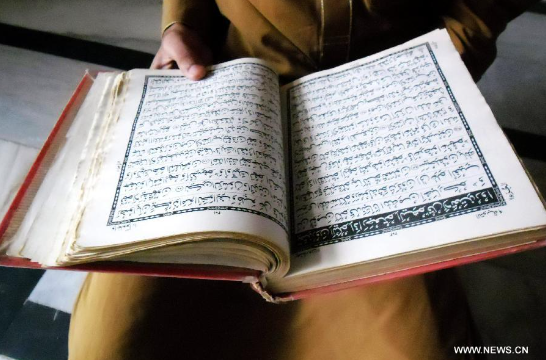
Before delving into the process of conversion, it is crucial to grasp the foundational aspects of Islam. how to become muslim is a monotheistic Abrahamic faith that teaches the existence of one God, Allah, and the belief in the prophethood of Muhammad (peace be upon him). The Quran, the holy book of Islam, is considered the word of God as revealed to Prophet Muhammad. The Hadiths, the sayings and actions of the Prophet, also play a significant role in shaping Islamic teachings.
Seek Knowledge:
To embrace Islam authentically, one must gain knowledge about its beliefs, practices, and values. Reading reputable books on Islam, attending lectures, or engaging with knowledgeable Muslims can be invaluable in this learning process. Understanding the Five Pillars of Islam, which include the declaration of faith (Shahada), prayer (Salah), charity (Zakat), fasting during Ramadan (Sawm), and pilgrimage to Mecca (Hajj), is essential.
Connecting With The Muslim Community:
Embracing Islam often involves connecting with the Muslim community. Engaging with local mosques or Islamic centers can provide opportunities to learn from experienced Muslims, find a mentor, and immerse oneself in a supportive environment. Engaging in communal prayers and gatherings can also enhance one’s spiritual journey.
- Declaring the Shahada: The Shahada is the central declaration of faith in Islam and the first step towards conversion. To become Muslim, one must sincerely recite the Shahada in Arabic, which translates to “There is no god but Allah, and Muhammad is His Messenger.” This proclamation signifies one’s acceptance of Islam and submission to Allah’s will.
- Embracing the Five Pillars: After embracing Islam, one should focus on integrating the Five Pillars into their daily life. Regular prayers, acts of charity, fasting during Ramadan, and striving to perform the Hajj pilgrimage (if possible) are essential practices for a devout Muslim.
- Building a Personal Relationship with Allah: Islam emphasizes the importance of cultivating a personal relationship with Allah through prayer, reflection, and supplication. Developing a strong spiritual bond with the Almighty can bring immense peace and fulfillment to a new Muslim.
- Embracing Islamic Ethics and Morality: Islamic teachings encompass a comprehensive moral framework. As a new Muslim, it is essential to strive for moral excellence, practicing compassion, honesty, humility, and empathy in daily interactions.
Conclusion:
Embracing Islam is a transformative journey that involves gaining knowledge, connecting with the Muslim community, and practicing the Five Pillars of Islam. It is not merely a change in religious affiliation, but a profound spiritual experience that can bring profound peace and purpose to one’s life.
FAQs:
- Can I become Muslim if I am not of Arab descent or from an Islamic country? Absolutely! Islam is a universal faith that transcends cultural and geographical boundaries. People of all ethnicities and nationalities can embrace Islam. Islam teaches that all human beings are equal in the eyes of Allah, and sincere faith is what matters most.
- What if I make mistakes in practicing Islam as a new convert? Making mistakes is a natural part of any learning process. As a new Muslim, it is essential to be patient with yourself and seek guidance from knowledgeable individuals in the community. Remember that Allah is merciful and understanding. Embrace Islam with sincerity, and with time and effort, you will grow in your understanding and practice of the faith.