Common Misconceptions About Optometrists
Imagine strolling through a garden of roses. You desperately want to admire the delicate, intricate petals. Yet, a blurry haze covers your sight. Imagine your world regaining its sharpness with the help of one person – the optometrist. They are the artists who give us the gift of focus refined eye care. However, much like the misunderstood artistry behind an abstract painting, there are numerous misconceptions about optometrists. This post intends to shed light on these common misunderstandings, guiding you toward an enhanced appreciation of their craft.
Misconception 1: Optometrists and Ophthalmologists are the same
They might sound similar. They both work with eyes. Yet, the difference between optometrists and ophthalmologists is as stark as night and day. Optometrists are the primary healthcare providers for routine eye care while ophthalmologists are medical doctors who can perform eye surgeries.
Misconception 2: Optometrists only prescribe glasses
Picture this. You walk into an optometrist’s office expecting to walk out with a pair of glasses. But optometrists do more than just prescribe glasses. They’re like detectives of the eye world. They diagnose and manage diseases, injuries, and disorders of the visual system.
Misconception 3: Optometrists can’t help with ‘serious’ eye conditions
Imagine suffering from a serious eye condition like glaucoma. You might think that only an ophthalmologist can help. This common belief is a misconception. Optometrists are trained to detect, diagnose, and manage eye diseases. They are like the first line of defense in saving your sight.
Misconception 4: An eye test is not needed if vision seems fine
It’s a sunny day. You’re reading a book in the park. The words are clear. You think you don’t need an eye test. This is not true. Regular eye checks are vital. They can uncover hidden problems before they become serious.
Misconception 5: Optometrists can’t interact with children
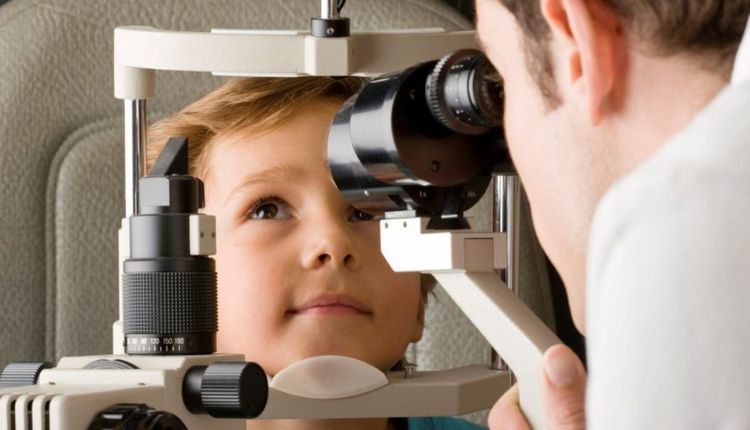
Picture a child trembling at the mere thought of an eye exam. Most parents believe that optometrists are not equipped to handle children. This false notion robs children of early detection and treatment. Optometrists are skilled in interacting with patients of all ages – including children.
In conclusion, don’t let misconceptions blur your understanding of optometrists. They are more than just glasses-prescribers. They are artists of the ocular world, heroes who bring our world into focus. The next time you pass by an optometrist’s office, remember to appreciate the gift of ‘focus refined eye care’ they offer.